The Great Debate: Sugar Beet Vs Sugar Cane - Which Is the Superior Selection for Sweeteners?
The dispute over sugar beet versus sugar cane as the favored sweetener involves several crucial aspects. Each offers unique benefits and difficulties concerning manufacturing, taste, and health and wellness implications. While sugar beet may interest those prioritizing sustainability, sugar cane has its very own cultural and cooking importance. As customers become much more aware of their selections, the concern stays: which sugar truly sticks out in today's market?
The Beginnings of Sugar Beet and Sugar Cane
Sugar cane has been cultivated for thousands of years, mainly in exotic areas, sugar beet emerged as a significant option in cooler environments throughout the 18th century. Sugar cane, belonging to Southeast Asia, was very first trained around 8000 BCE and spread worldwide with profession and exploration. Its high sucrose material made it a useful plant, bring about comprehensive vineyards in areas like the Caribbean and Brazil.
In contrast, sugar beet was first grown in the Mediterranean around the 18th century, specifically gaining traction in Europe as an action to sugar cane shortages. The plant prospers in pleasant climates, making it ideal for regions with colder climate. The exploration that sugar could be drawn out from beet roots reinvented sugar production, especially during the Napoleonic Wars when trade constraints minimal cane sugar gain access to. The surge of sugar beet farming noted a critical moment in the history of sugar, providing a neighborhood resource for several countries.
Production Processes: From Area to Sugar
The manufacturing processes of sugar beet and sugar cane disclose substantial differences in cultivation techniques, harvesting approaches, and refinement stages. Recognizing these nuances is crucial for valuing how each crop adds to the total sugar market. This comparison highlights the unique qualities and challenges connected with both sources of sweet taste.
Cultivation Strategies Comparison
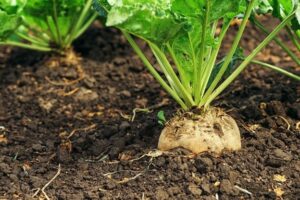
Cultivation methods for sugar beet and sugar cane disclose distinctive approaches that influence their manufacturing processes, from area preparation to last sweetener removal. Sugar beet growing generally entails plowing and traumatic to produce a great seedbed, complied with by seeding in rows to facilitate growth. This plant take advantage of cooler climates and is commonly planted in springtime. On the other hand, sugar cane is generally planted in furrows with pre-sprouted cane pieces, needing a warm, tropical climate for optimal development. Cane fields are frequently set out to take care of water successfully, offered its need for considerable watering. Both crops are handled with details fertilization and bug control techniques tailored to their development settings, affecting yield high quality and efficiency in sweetener removal.
Collecting Methods Clarified
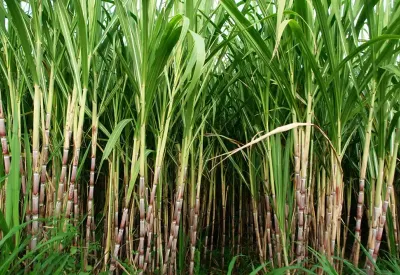
Effective gathering approaches for sugar beet and sugar cane play a necessary duty in guaranteeing maximum return and quality of the end product. Sugar beet collecting usually uses mechanized origin farmers, which successfully uproot the beets from the soil and different them from the foliage. This technique reduces damages to the beetroots and decreases labor costs. In contrast, sugar cane harvesting may make use of either manual work or machinery, depending upon the region and range of manufacturing. Mechanical farmers reduced the cane at the base and typically strip away the leaves, enhancing the process for bigger areas. Both techniques need cautious timing to ensure the plants are collected at peak sweet taste, affecting the high quality of the last sweetener item.
Improvement Process Distinctions
While both sugar beet and sugar cane go through extensive refinement processes to change their raw forms right into useful sugar, the techniques utilized differ considerably. Sugar beet improvement begins with cleaning and slicing the beetroots right into slim cossettes, followed by diffusion, where warm water extracts sucrose. The resulting juice is after that detoxified, focused, and crystallized. In contrast, sugar cane handling involves squashing the stalks to remove juice, which is then cleared up using lime and warm to remove pollutants. The cane juice is evaporated to form syrup before crystallization. Inevitably, while both procedures aim to produce white sugar, the distinctive methods highlight the one-of-a-kind attributes of each resource and their implications for taste and purity in the end product.
Nutritional Profiles: What's in Your Sugar?
The dietary profiles of sugar beet and sugar cane existing distinctive distinctions worth taking a look at. This contrast consists of facets such as caloric content, mineral and vitamin visibility, and variations in glycemic index. Comprehending these variables can provide insights into just how each sugar might impact total health and wellness.
Caloric Material Comparison
Recognizing the caloric web content of sugar beet and sugar cane is important for those conscious of their dietary selections. Both sweeteners primarily include sucrose, adding a comparable calorie worth. Normally, sugar beet consists of approximately 387 calories per 100 grams, while sugar cane has regarding 390 calories per the very same quantity. The mild distinction company website in caloric material may not significantly impact most diets; however, it is remarkable for those carefully monitoring their calorie consumption. Additionally, both sugar sources supply power however do not have essential nutrients, making them mostly sources of vacant calories. As a result, individuals looking for much healthier choices may wish to take into account these elements when choosing in between sugar beet and sugar cane as their favored sweetener.

Mineral and Vitamin Material
Caloric web content gives just a component of the image when copyrightining sugar beet and sugar cane. Both sources of sugar differ significantly in their mineral and vitamin accounts. Sugar beetroots are remarkably abundant in important nutrients, consisting of potassium, magnesium, web link and iron. They additionally include percentages of vitamins such as B6 and folate, adding to their dietary value. In contrast, sugar cane supplies a various set of benefits, having calcium, phosphorus, and traces of B vitamins. While neither choice is a substantial resource of minerals and vitamins contrasted to whole foods, sugar beetroots might have a minor edge as a result of their higher mineral web content. Eventually, customers seeking nutritional take advantage of sugar need to consider these distinctions in accounts.
Glycemic Index Distinctions
Glycemic index plays an important duty in evaluating how various sugar affect blood sugar level levels. Sugar beet and sugar cane exhibit remarkable distinctions in their glycemic responses. Normally, sugar beet has a reduced glycemic index compared to sugar cane, leading to a slower and steadier rise in blood sugar levels after consumption. This characteristic may make sugar beet a more suitable option for individuals handling diabetes or those seeking to maintain stable power degrees. In contrast, sugar cane often tends to cause a much more quick spike in blood sugar level, which can lead to quicker power collisions. Understanding these distinctions is substantial for consumers intending to make educated nutritional selections regarding sugar and their effect on total health.
Ecological Influence: Sustainability Factors To Consider
While both sugar beet and sugar cane are important sources of sugar, their environmental impacts and sustainability factors to consider vary significantly. Sugar beetroots, mainly grown in warm areas, usually need much less water and can be cultivated in varied environments. They likewise take advantage of crop turning techniques, which enhance soil health and decrease the need for synthetic fertilizers. Intensive farming of sugar beetroots can lead to dirt exhaustion and pesticide usage.
On the other hand, sugar cane grows in tropical environments and usually demands considerable water resources for irrigation (Sugar beet vs sugar cane). The monoculture nature of sugar cane farming can exacerbate soil erosion and biodiversity loss. In addition, the burning of cane areas before harvest releases carbon discharges and adds to air pollution. Both crops deal with obstacles relevant to environment change, but their differing growing practices greatly affect their total sustainability profiles. Consequently, the selection between sugar beet and sugar cane entails weighing these ecological effects meticulously
Preference and Culinary Utilizes: Which Sweetener Reigns Supreme?
The option between sugar beet and sugar cane expands past ecological considerations to include preference and culinary applications. Sugar beet, usually perceived as having a somewhat various taste profile, tends to be much less sweet than sugar cane. This refined distinction can influence its use in dishes, particularly in baked items where a neutral sweet taste basics is wanted.
Conversely, sugar cane is celebrated for its unique, rich, and more complicated flavor, making it a favored option for drinks and desserts - Sugar beet vs sugar cane. Its natural molasses material can enhance the deepness of tastes in numerous dishes
In food preparation, sugar cane's flexibility beams via in sauces, lusters, and confections, while sugar beet is frequently located in processed foods and sugar like granulated sugar. Eventually, the choice in between both sweeteners often pivots on specific taste choices and details culinary applications, with each offering special advantages in the kitchen.
Health Ramifications: Sugar Beet Vs Sugar Cane
Both sugar beet and sugar cane have unique wellness implications that can affect consumer options. Sugar beet vs sugar cane. Sugar beet is often regarded for its higher fiber content, which can help gastrointestinal wellness. In addition, it contains particular antioxidants that may add to total well-being. On the various other hand, sugar cane is abundant in nutrients such as calcium, potassium, and magnesium, supplying some mineral benefits
However, both resources largely consist of sucrose, which can bring about comparable health problems when taken in excessively, such as weight problems, diabetes mellitus, and heart problem. The processing approaches additionally differ; sugar beet is typically refined more intensively, possibly resulting in a loss of certain nutrients. Consumers worried regarding additives might favor sugar cane, as it frequently goes through less handling. Eventually, comprehending these health and wellness implications can lead people towards making informed choices concerning their sugar choices.
Customer Preferences: Trends and Insights
Customer choices for sweeteners have progressed considerably in recent times, affected by health fads, ecological problems, and dietary selections. Boosted awareness of the negative wellness impacts linked with excessive sugar intake has actually led numerous customers to look for alternatives. This shift has actually triggered an expanding interest in all-natural sugar, with sugar beet and sugar cane going to the forefront of discussions.
Study indicates that customers are progressively favoring sugar beet as a result of its regarded ecological advantages, as it is commonly expanded closer to refining plants, lowering transportation exhausts. Conversely, sugar cane is commonly connected with tropical regions and might bring assumptions of sustainability challenges.
Often Asked Concerns
Just How Do Sugar Beet and Sugar Cane Affect Blood Sugar Degrees?
Sugar beet and sugar cane both include sucrose, which can boost blood sugar levels. The influence mostly relies on individual metabolic rate and consumption quantities, but both sources contribute similarly to blood sugar feedbacks most of the times.
Which Sugar Is Better for Cooking and Cooking?
When assessing sugar for baking and cooking, one must take into consideration structure, flavor, and moisture retention. Sugar beet and sugar cane both supply distinct high qualities, with sugar cane usually favored for its richer taste profile in culinary applications.
Can Sugar Beet or Cane Be Made Use Of in Vegan Diets?
Both sugar beet and sugar cane can be used in vegan diet regimens. They are plant-derived sugar, making them appropriate for individuals looking for vegan-friendly choices without animal items, making certain honest selections in their cooking methods.
What Are the Historic Usages of Sugar Beet and Cane?
Historically, sugar beet and cane functioned as important resources of sweetness, with cane grown in exotic regions and beet in warm areas. Both have been indispensable to various societies, economies, and culinary practices throughout history.
Are There Any Kind Of Alternatives to Sugar Beet and Cane?
Alternatives to sugar beet and cane include agave nectar, honey, maple syrup, and sweetening agents like aspartame and sucralose. These substitutes use varying tastes and health and wellness advantages, attracting varied nutritional choices and restrictions.